
For the first time, the alleged mastermind behind the infamous Bling Ring tells her story in the HBO documentary, The Ringleader: The Case of the Bling Ring, streaming now on Max. Made up of a group of teens and young adults from Southern California, the Bling Ring “targeted the rich and famous of Hollywood in a string of robberies between 2008 and 2009 (IMDB).” They stole jewelry, money, clothes, and other personal items from celebrities including Paris Hilton, Lindsay Lohan, Audrina Patridge, and Orlando Bloom.
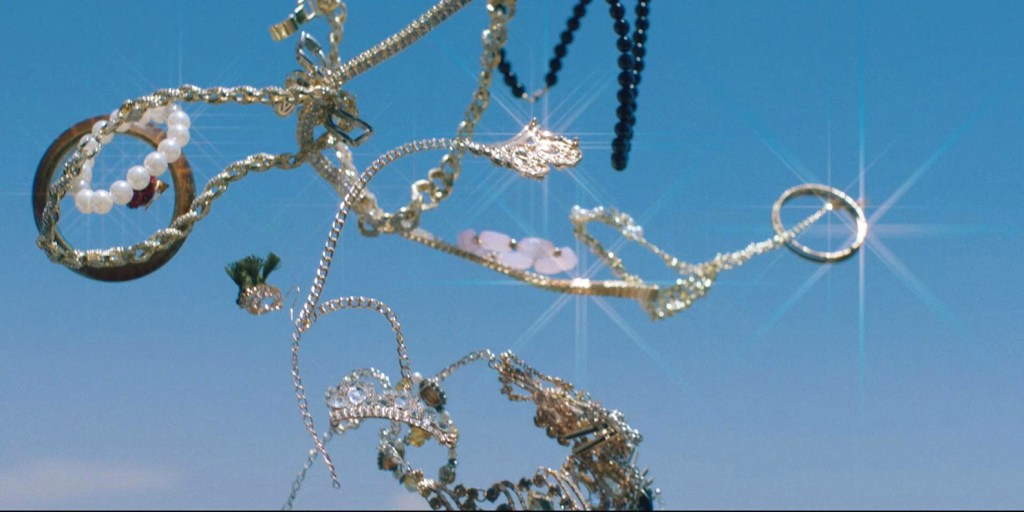
The early 2000s was a time where it felt like anyone could become famous. Shows like The Simple Life and Cribs showed the lavish lifestyles and the expensive things that famous people owned. The whole concept of being famous for being famous started then and when outcasts, Rachel Lee and Nick Prugo started committing small crimes, they started getting a rush and turned towards stealing from famous people because they knew they’d have the expensive lifestyles they wanted to emulate.
The film is directed by Erin Lee Carr who convinced the supposed ringleader, Rachel Lee to sit down and be interviewed. Ever since the trials took place, Lee has been somewhat of an enigma and I think that’s why I found this documentary so fascinating. The group of teens and young adults were part of a whole new era of crime in that they were using the Internet and social media to track where all the celebrities were that they were stealing from. If a celebrity posted that they were getting on a private jet or that they were out at a movie premiere, the Bling Ring knew they wouldn’t be home.
Out of the accused, Lee is the only one who appears in the film along with separate interviews from journalists, Amy Kaufman and Allen Salkin, Eden Shizzle who was the first victim and friend of a member of the Bling Ring, Nick Prugo, Lee’s father, David Lee as well as district attorneys Christine Kee and Sarika Kim.
A few times it feels as though Lee lies about parts of the story of the crime and Variety addresses that in an interview with Erin Lee Carr. The director says, “there was a third camera angle that was inverted, and when I felt like she was lying to me, I went to that angle. She is an unreliable narrator in the sense that she was telling lies for so long that she didn’t really know what was a lie and what was the truth. And that’s why it’s important to do these deep dives many, many years later and then set the record straight.”
Sofia Coppola’s film The Bling Ring “is based on the 2010 Vanity Fair article ‘The Suspects Wore Louboutins’ by Nancy Jo Sales (Wikipedia).” It was an article about fellow Bling Ring member, Alexis Neiers. I remember when the article came out Neiers had her own reality show Pretty Wild which chronicled the trial along with her affluent lifestyle. They were creating this narrative around what she did and obviously it was wrong, but people couldn’t look away.
Lee says that along with taking Xanax, she had very bad FOMO (fear of missing out). I feel like having FOMO and acting on that FOMO by stealing things are two very different concepts! The underlying need for material things was so strong. The Bling Ring acted on those needs and created a mashup of crime mixed with chasing the want to become famous. And in the end they did became famous, just not for the right reasons.
I would totally recommend this documentary if you remember the Bling Ring or if you followed the trials. Or if you’re into true crime and want to dive deeper into why society is so addicted to fame and the need to chase it. You can stream the documentary now on Max.
 Read. Write. Listen. Create.
Leave a comment